

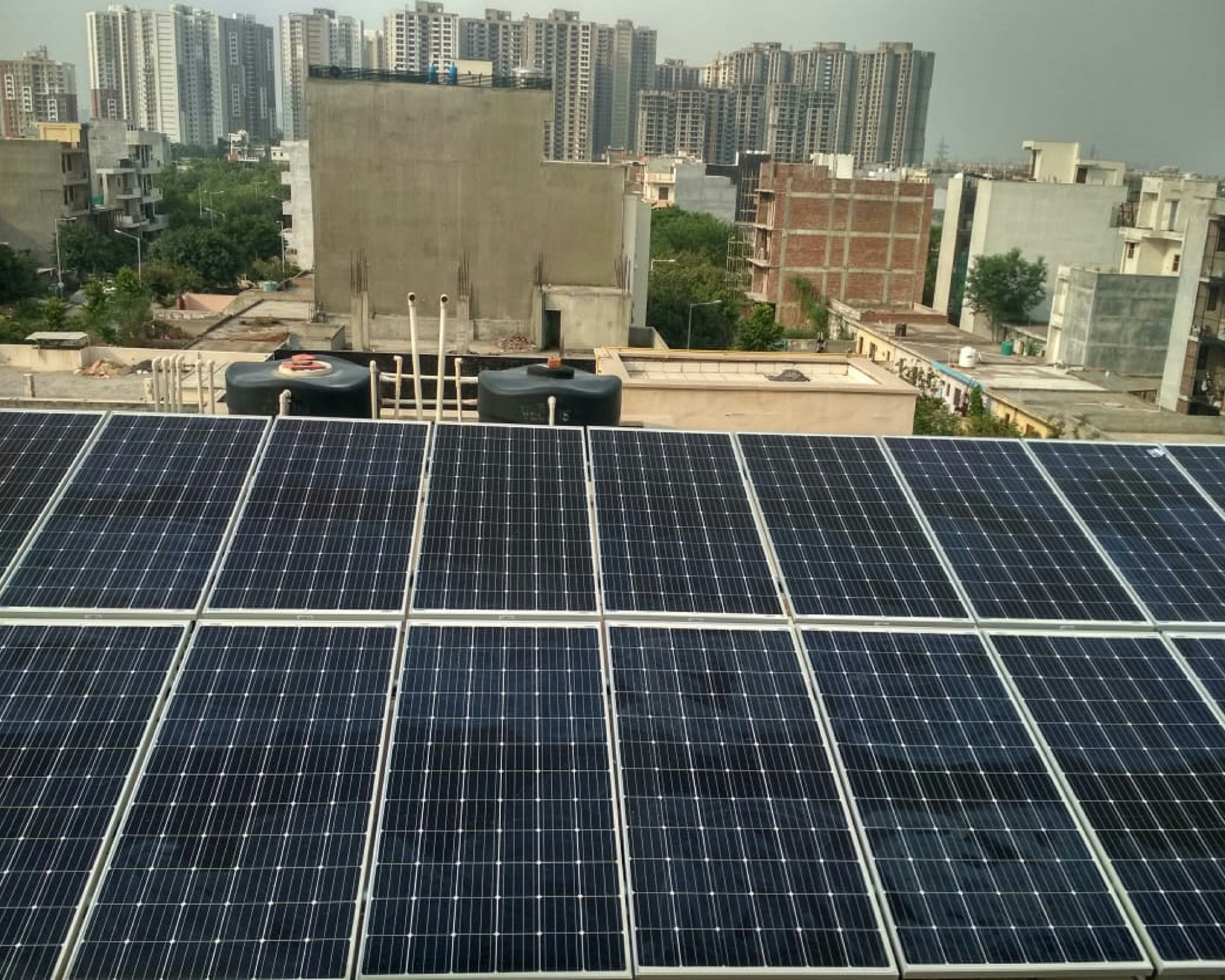
Understanding the New Regulations for Small-Scale Solar Panel Installations
Overview of the New Regulations
The recent update to the regulations concerning small-scale solar panel installations, established by the Department of Energy (DOE), demonstrates a significant commitment to fostering renewable energy usage across the nation. These regulations aim to enhance the overall efficiency of solar panel installations while ensuring consumer safety and protecting the interests of the public and the environment.
A key objective of these new regulations is to promote the widespread adoption of renewable energy sources. By setting clear guidelines and standards, the DOE seeks to provide consumers with the necessary framework to navigate the solar installation process efficiently. This includes detailed specifications for installation practices, equipment quality, and grid connection protocols. The intention is not only to upscale the deployment of solar technology but also to improve user faith in renewable systems by guaranteeing their reliability and effectiveness.
Moreover, one of the critical goals of the new regulations is to reduce electricity costs for consumers. With the increasing demand for sustainable energy, these changes are designed to promote competition within the market. As more individuals and businesses consider solar panels as a viable energy solution, the potential decrease in prices can lead to lower electricity bills for consumers. Furthermore, the government’s support through these regulations can stimulate investments in solar technology, thereby accelerating innovation and lowering the costs associated with solar energy as a whole.
In addition to promoting renewable energy and decreasing costs, the regulations also emphasize important sustainability practices, promoting environmental stewardship. The integration of solar technology aims to reduce reliance on fossil fuels, aligning with broader governmental energy policies that prioritize sustainability and environmental protection. By doing so, these regulations contribute to the long-term goals of carbon emission reduction and environmental conservation.
Key Features of the DOE Circular No. DC2026-08-0017
The Department of Energy (DOE) Circular No. DC2026-08-0017 introduces a series of important features aimed at simplifying the regulatory landscape for small-scale solar panel installations. Among these are provisions specifically designed for self-generating facility zero-export solar systems (SGF ZESS) and consumer-grade micro-solar systems (MSS). This directive represents a significant step towards enhancing the accessibility and feasibility of solar energy for consumers.
One of the core aspects of the circular is its streamlined process for approval and installation. The directive reduces bureaucratic hurdles, facilitating quicker deployment of SGF ZESS and MSS. By minimizing the complexity of paperwork and the time required for various clearances, the DOE aims to encourage more households and small businesses to adopt solar technologies. This is particularly critical in the context of growing energy concerns and the need for sustainable alternatives.
Furthermore, the circular outlines specific exemptions and requirements that are pivotal for potential users. For instance, smaller installations may qualify for simplified registration processes, while larger projects still need to fulfill more rigorous standards. The directive also details the technical specifications that must be met to ensure safety and reliability in solar system performance.
Another feature of this circular is its emphasis on consumer protection. It establishes clear guidelines that ensure the quality of equipment and the integrity of installation services. These consumer safeguards are designed to build trust and enhance the overall market for solar energy solutions.
In essence, the DOE Circular No. DC2026-08-0017 streamlines the process of harnessing solar power, ensuring that the benefits of SGF ZESS and MSS are more readily accessible to the public. By clearly outlining the exemptions and requirements, the directive provides a framework aimed at fostering the development of small-scale solar installations.
Impact on Homeowners and Small Businesses
The introduction of new regulations concerning small-scale solar panel installations is poised to have significant implications for homeowners and small businesses alike. These regulations are designed to streamline the installation process, thereby reducing the administrative barriers that often impede the adoption of solar technology. One of the most immediate benefits of this regulatory shift is the facilitation of easier access to solar installations for various stakeholders.
For homeowners, these new rules can mean more straightforward permitting processes, which can expedite the timeline from initial planning to the operational phase of their solar systems. This reduction in red tape not only hastens installation but also encourages homeowners to consider solar energy as a viable option for reducing their electricity bills. Furthermore, by enabling faster installations, homeowners can begin to reap the benefits of solar energy more quickly, which, over time, can lead to substantial savings.
In addition to the streamlined processes for individuals, small businesses are similarly advantaged by these new regulations. They face fewer hurdles when considering the implementation of solar technology, which can lead to a more straightforward decision-making process regarding investment in renewable energy. The prospect of significant cost savings also makes solar panel installations an attractive investment. Businesses can expect an accelerated return on investment through lowered energy bills and potential tax incentives that are often associated with renewable energy initiatives.
The regulation changes facilitate access to financing options specifically designed for small-scale solar projects, making it easier for both homeowners and small businesses to invest in and adopt solar energy solutions. By minimizing barriers and maximizing incentives, these regulations not only promote the growth of a solar economy but also fortify the financial sustainability of households and enterprises embracing green technology.
Changes to Permitting Processes
The landscape of permitting processes for small-scale solar panel installations has witnessed significant transformations, primarily aimed at streamlining procedures and enhancing accessibility for consumers. The revised regulations have introduced notable changes, especially concerning exemptions for micro-solar systems. Micro-solar systems, typically involving installations of less than a certain energy capacity, may now bypass several permitting stages, making the transition to solar energy more appealing and feasible for homeowners and small businesses alike.
This simplification not only reduces the administrative burden on consumers but also accelerates the overall timeline for the installation of solar panels. As a result, stakeholders involved in the residential solar market can expect to see quicker project turnaround times, encouraging a broader uptake of renewable energy solutions. However, it is crucial for consumers to understand the specific criteria that qualify a solar installation as a micro-solar system, as these parameters may vary based on local jurisdictions.
For larger solar installations that exceed the thresholds established for micro-solar systems, the permitting process remains stringent. These larger projects often require detailed compliance certificates that ensure adherence to local regulations and safety standards. Consumers must be aware of the potential complexities involved in obtaining these permits, as well as the necessary documentation that will need to be provided to facilitate their approval. Engaging with local authorities early in the planning process can help clarify expectations and streamline the path toward compliance.
In conclusion, the recent changes to the permitting processes for small-scale solar panel installations represent a significant shift aimed at promoting the use of solar energy. While micro-solar systems benefit from exemptions that simplify the installation process, larger projects still face rigorous permitting requirements. Understanding these nuances is essential for consumers as they navigate the landscape of solar energy installations.
Utility Companies’ Responsibilities Under the New Regulations
The recent regulatory framework introduced for small-scale solar panel installations has elucidated specific responsibilities that utility companies must adhere to. One of the foremost duties of these utilities is to ensure thorough notification protocols regarding any planned installations. This includes informing residents and businesses of any potential impacts on their service connections, which fosters transparency and promotes informed decision-making among stakeholders.
Moreover, the new regulations explicitly prohibit utility companies from implementing retroactive changes to existing service capacities once a solar installation is in place. This provision protects installers and end-users from unexpected modifications that could disrupt their operations or alter their energy agreements. By maintaining service stability and predictability, these regulations enhance the trust placed in utility providers by consumers.
In terms of financial obligations, utility companies are now required to conduct distribution impact studies for new solar panel installations. These studies assess the effect of additional energy inputs from solar systems on the existing distribution network. Such assessments ensure that any changes in capacity do not exceed the system’s operational limits or compromise reliability. The costs associated with these studies will be absorbed by the utility companies, reinforcing their accountability for planning and maintaining a robust energy infrastructure.
In fulfilling these responsibilities, utility companies play a critical role in supporting the integration of renewable energy sources into the grid while ensuring compliance with regulatory standards. By adhering to these guidelines, utilities not only contribute to sustainable energy initiatives but also safeguard their operational integrity in an evolving energy landscape.
Role of Government Agencies in Supporting Solar Adoption
The transition to renewable energy sources is a critical aspect of addressing climate change, and small-scale solar panel installations are pivotal in this movement. Various government agencies play an essential role in facilitating the adoption of solar technology, particularly in urban settings. Among these agencies, the Department of Human Settlements and Urban Development (DHSUD) is key, as it is responsible for the development and promotion of sustainable living environments.
The DHSUD collaborates with local government units and private sector counterparts to enhance the integration of solar energy solutions within urban areas. This partnership aims to streamline the permitting process for solar panel installations, thereby encouraging homeowners and businesses to adopt solar energy solutions. By eliminating bureaucratic obstacles, the DHSUD not only makes the installation process more accessible but also less costly, which is a significant factor for many potential adopters.
In addition to the DHSUD, other government entities, such as the Department of Energy (DOE), are crucial in formulating policies that support the growth of solar energy solutions. These policies often include financial incentives, technical assistance, and educational programs to raise awareness about the benefits of solar energy. The DOE’s initiatives address common misconceptions about solar technology and inform citizens about financing options available for small-scale installations.
Moreover, government support extends to promotional efforts aimed at encouraging solar adoption among various demographic groups, particularly low- and middle-income households. Understanding the unique challenges these groups face enables agencies to tailor programs that make solar energy financially viable and practically feasible.
Overall, the collective efforts of different government agencies create a supportive framework that nurtures solar panel installations in urban areas. Their initiatives not only foster a stronger adoption of solar technology but also contribute to broader environmental goals by reducing reliance on fossil fuels and lowering greenhouse gas emissions.
Challenges and Resistance to Implementation
The implementation of new regulations for small-scale solar panel installations is likely to encounter various challenges and resistance from multiple stakeholders. Utility companies, which have historically maintained a monopoly over energy production and distribution, may express concerns regarding the impact of these regulations on their operations and financial stability. The introduction of widespread small-scale solar energy could disrupt existing business models, leading to a resistance against changes that might threaten established revenue streams.
Aside from utility companies, consumers may also face challenges as they adapt to new guidelines. For instance, those interested in installing solar panels might struggle with understanding the intricacies of the regulations, particularly if the information provided is not clear or accessible. Moreover, the costs associated with installation, coupled with potential delays from local regulators or utility companies, can create significant barriers for homeowners and small businesses.
Community perspectives can also vary, with some individuals promoting the transition to renewable energy through solar panel installations, while others may have reservations. These concerns might stem from aesthetic considerations, land use issues, or fears regarding the reliability of solar power compared to conventional energy sources. Addressing these concerns requires effective communication and engagement strategies from policymakers and stakeholders, ensuring that all voices are heard in the decision-making process.
It is crucial for regulatory bodies to anticipate these potential challenges and proactively seek to mitigate them. This could involve providing resources and support for both consumers and utility companies, promoting education about the benefits and logistics of small-scale solar installations, and facilitating collaboration between all parties involved. By understanding the resistance and challenges that may arise, policymakers can create a more streamlined implementation process that supports the transition to sustainable energy practices.
Future of Renewable Energy in the National Power Generation Mix
The transition towards a sustainable energy future is increasingly seen as crucial to addressing environmental challenges and ensuring energy security. The new regulations for small-scale solar panel installations play a significant role in achieving the ambitious national goals for renewable energy, particularly the targets set for 2030 and 2040. In recent years, policymakers have recognized the potential of integrating solar energy into the national power generation mix as a means of reducing reliance on fossil fuels and enhancing energy resilience.
By facilitating the growth of small-scale solar installations, these regulations aim to empower homeowners and small businesses to participate actively in the energy transition. This grassroots approach not only promotes individual energy independence but also helps to stimulate local economies and job creation within the renewable sector. As the deployment of renewable technologies expands, it contributes to a diversified energy portfolio, which is essential for reducing carbon emissions and mitigating the effects of climate change.
Furthermore, the alignment of regulations with national energy goals reflects a broader commitment to achieving a cleaner and more sustainable energy landscape. Specifically, the emphasis on solar power is pivotal in increasing the overall share of renewables in the energy mix, which is vital for meeting the growing energy demand sustainably. Integrating these policies into the national framework indicates a forward-thinking strategy aimed at harnessing the full potential of renewable resources.
In conclusion, the new regulations for small-scale solar panel installations are more than just legislative changes; they represent a significant shift towards meeting national objectives for renewable energy by 2030 and 2040. These regulations are designed to support the integration of solar energy into the power generation mix, fostering a sustainable energy future that benefits both the environment and the economy.
Conclusion and Next Steps for Stakeholders
The introduction of new regulations for small-scale solar panel installations marks a transformative phase in renewable energy management. Stakeholders, including consumers, businesses, and utility companies, stand to benefit significantly from the clarity and structure these regulations provide. It is imperative for all involved parties to engage proactively with these changes to ensure a smooth transition and capitalize on the potential advantages.
For consumers, the first step is to educate themselves about the specifics of the new regulations. Understanding the incentives and requirements will enable them to make informed decisions regarding the installation of solar panels. Engaging with local solar providers to seek estimates and discuss the implications of these regulations can yield beneficial insights. Additionally, consumers should assess their energy needs and financial capabilities to determine the most suitable solar solutions for their homes or businesses.
Utility companies also have a vital role in this landscape. They are encouraged to develop programs that support the integration of small-scale solar generation. This includes updating grid management systems and providing resources for consumers and solar installers. By promoting transparency in how these regulations will affect grid operations and customer rates, utility companies can facilitate a smoother transition and better foster community trust.
Incentivizing collaboration between consumers, solar companies, and utilities will be essential in maximizing the advantages of these new policies. Forums, workshops, and informative sessions can serve as platforms for knowledge sharing and will help unify diverse stakeholder perspectives. Ultimately, embracing the changes resulting from the new regulations can spearhead the sustainable energy movement, paving the way for a future reliant on clean energy sources.
In conclusion, the implementation of new regulations for small-scale solar panel installations brings a wealth of opportunities for stakeholders. Through proactive engagement, education, and collaboration, consumers and utility companies can navigate these changes effectively and ensure a positive impact on the renewable energy landscape.
Source: https://mb.com.ph/2026/08/08/toll-collection-starts-sunday-on-new-calax-extension
 By, admin
- August 8, 2026
- 119
- Renewable Energy
- 0 comment



 Login with Google
Add Comment